What you need to know
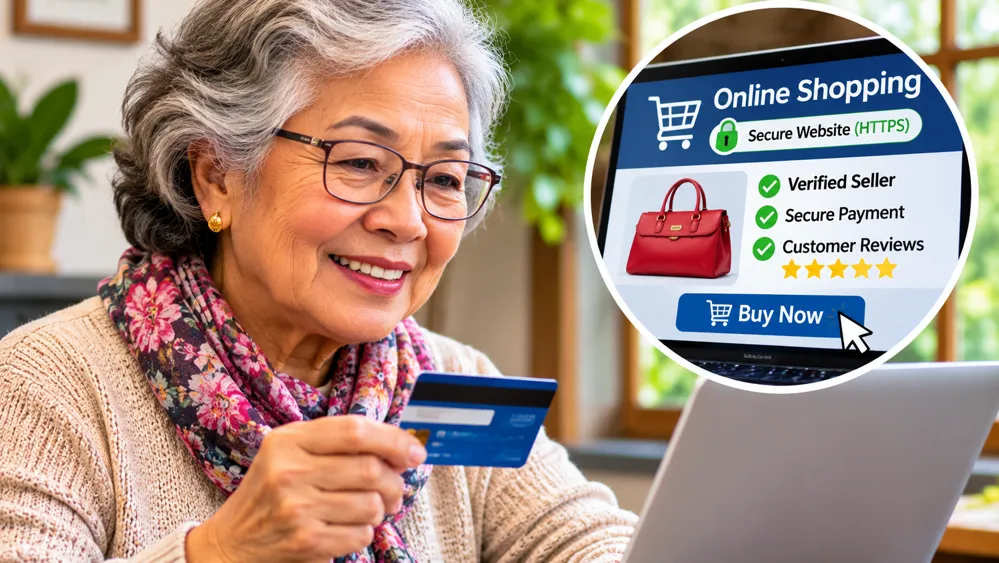
Fake shops and marketplace listings imitate real sellers to collect payments or card information. HTTPS encrypts a connection but does not prove a seller is legitimate.
A realistic example
An advertisement offers a popular appliance for a fraction of its usual price and demands immediate payment.
Warning signs
- Unrealistic discounts
- newly unfamiliar domains
- no clear return policy
- pressure to pay by gift card, cryptocurrency or direct transfer.
What to do, step by step
- Search independently for the seller and its reputation, including complaints.
- Check the exact domain, contact details and return policy. Do not rely on a padlock or reviews shown only on the seller’s site.
- Use a payment method with appropriate buyer protection and understand its terms.
- Keep receipts and order confirmations. Avoid moving marketplace conversations or payments outside the platform when that removes protection.
If you have already responded
Contact your payment provider promptly if the purchase is fraudulent. Save the listing, receipts and messages.
Trusted resource
https://antifraudcentre-centreantifraude.ca/ (Internet required.)
Remember: take your time, verify independently and never share passwords or verification codes.